📘 Introduction
As of 2026, the value of technology is no longer measured merely by its “innovation”
but by how profoundly it reshapes industries, economies, and the global job market.
AI, automation, biotech, and energy solutions have moved beyond the experimental phase to
become core survival strategies for nations, corporations, and individuals alike.
This post ranks the TOP 10 most valuable future technologies in 2026 based on:
✔ Global industrial adoption
✔ Market growth potential
✔ Long-term asset value
✔ Human-AI synergy and labor impact
📊 Ranking Criteria
Our rankings are based on a comprehensive analysis of the following four factors:
- Global Market Growth & Investment: Funding and scaling speed.
- Real-world Industry Implementation: Practicality in current markets.
- AI Replaceability & Competitiveness: Impact on human labor and edge.
- Long-term Sustainability: Projected relevance over the next 5–10 years.
🏆 TOP 10 Future Technology Rankings
① Artificial Intelligence (AI) Everywhere
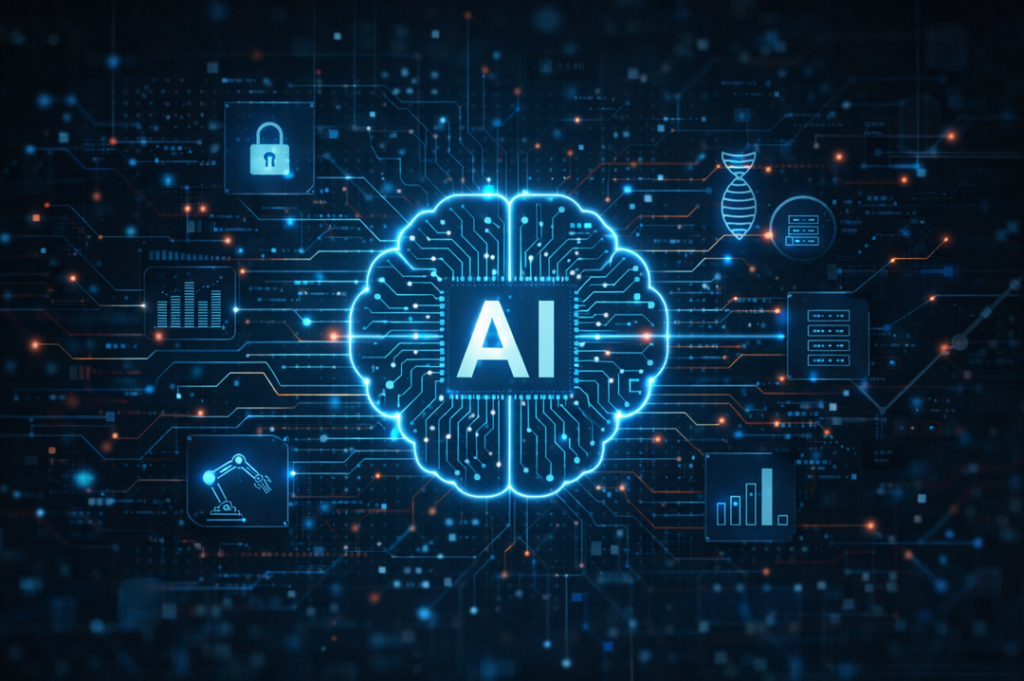
In 2026, AI remains the undisputed leader. It is no longer a standalone niche but the central axis connecting all other technologies.
Universal Application: Integrates into every imaginable industry.
Structural Shifts: Transforms productivity and revenue models from the ground up.
Cognitive Extension: Acts as an augmentation of human thought.
👉 Key Insight : To understand the future, one must first master AI.
② Next-Gen Semiconductors & AI Chips
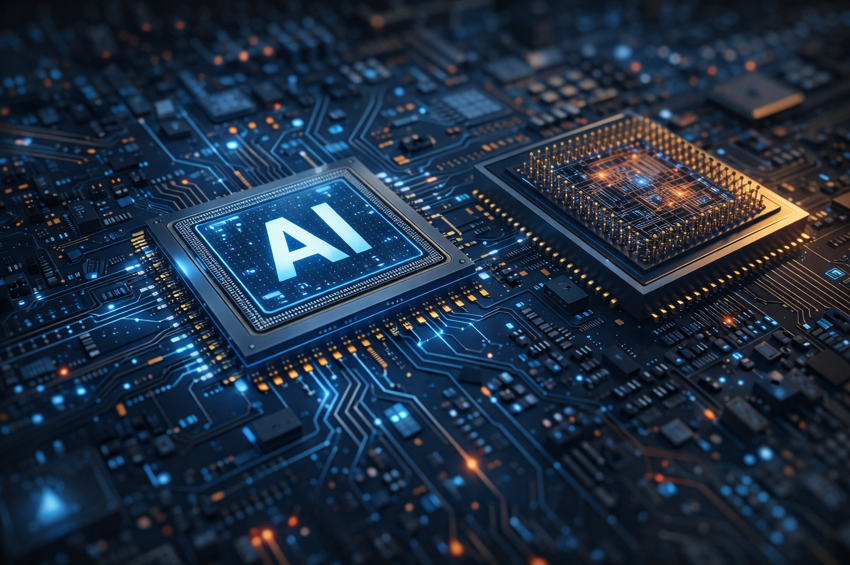
The true power of the AI era lies in raw computational capacity.
High-Performance AI Chips: The backbone of Large Language Models (LLMs).
Supply Chain Sovereignty: A key driver of geopolitical and economic competition.
👉 Strategic Asset : Semiconductors have officially become the “New Oil.”
③ Cloud & Edge Computing
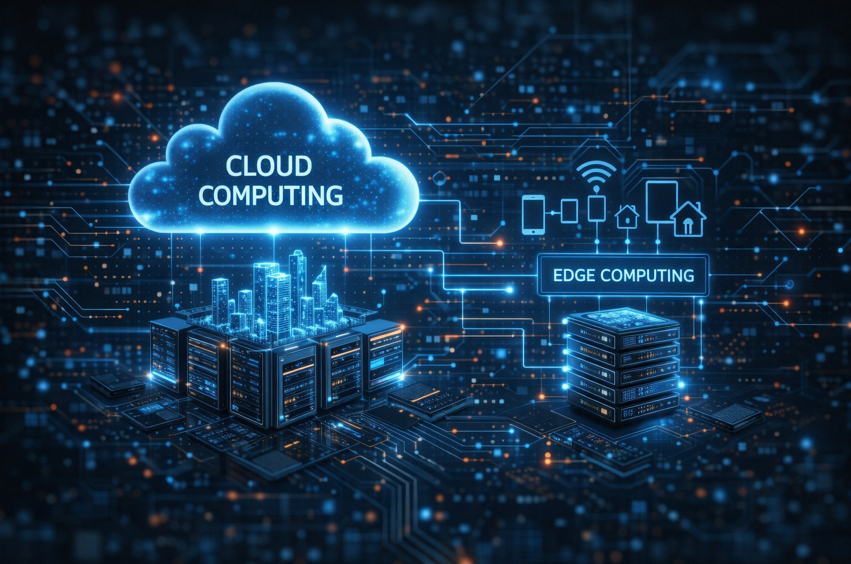
The invisible yet essential infrastructure for all digital services.
AI/Big Data Foundation: Necessary for storing and processing massive datasets.
Real-time Processing: Enhanced edge computing for instant data feedback.
👉 Scalability : Allows global services to expand without physical borders.
④ Generative AI
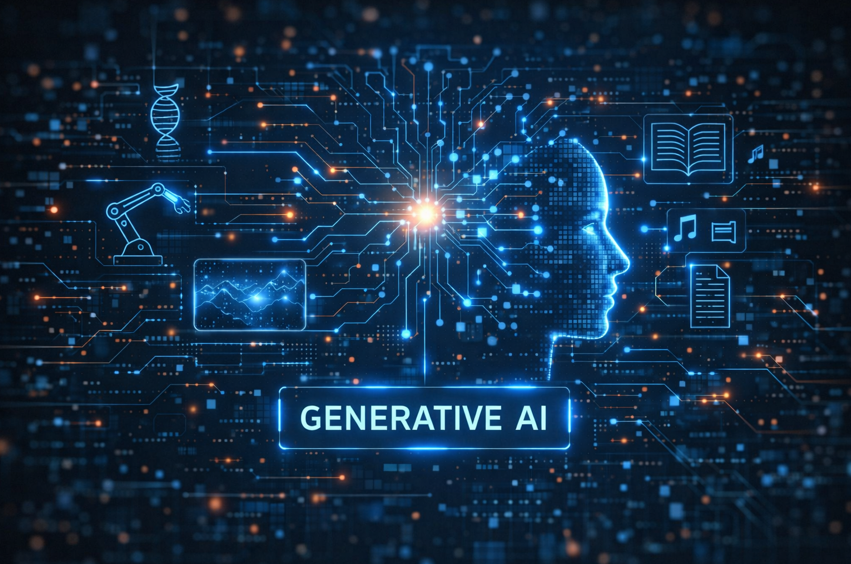
From text and images to video and complex code, Generative AI has redefined creative and technical workflows.
Professional Integration: Essential in marketing, development, and education.
Individual Productivity: Maximizes personal output through “Co-pilot” systems.
👉 Essential Tool : “AI literacy” is now the baseline for professional competitiveness.
⑤ Robotics & Humanoids
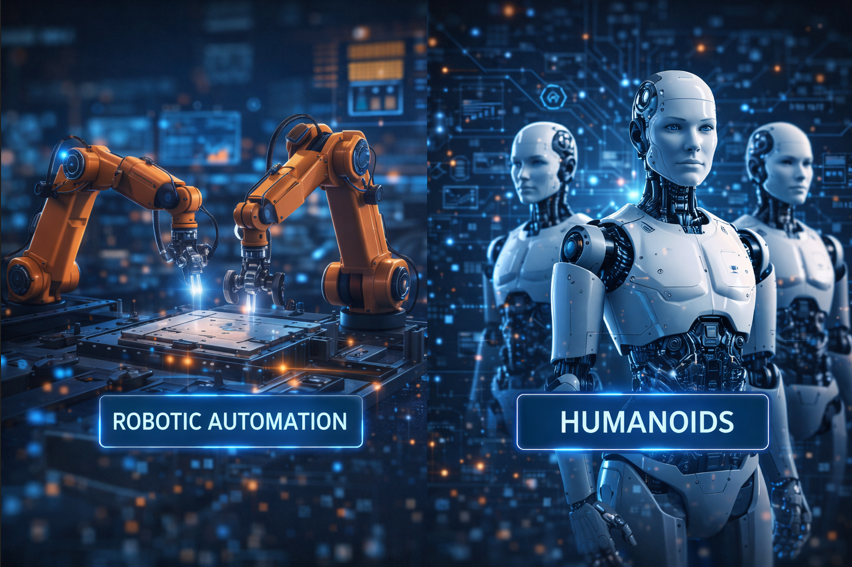
로봇은 단순 공장을 넘어
서비스·물류·돌봄 영역까지 확장되고 있습니다.
Robots are expanding beyond factory floors into service, logistics, and eldercare.
Logistics & Collaborative Robots (Cobots): Streamlining global supply chains.
Labor Augmentation: Addressing labor shortages in aging societies.
👉 Versatility : Moving from repetitive tasks to complex, human-centric services.
⑥ Cybersecurity & AI-Driven Security
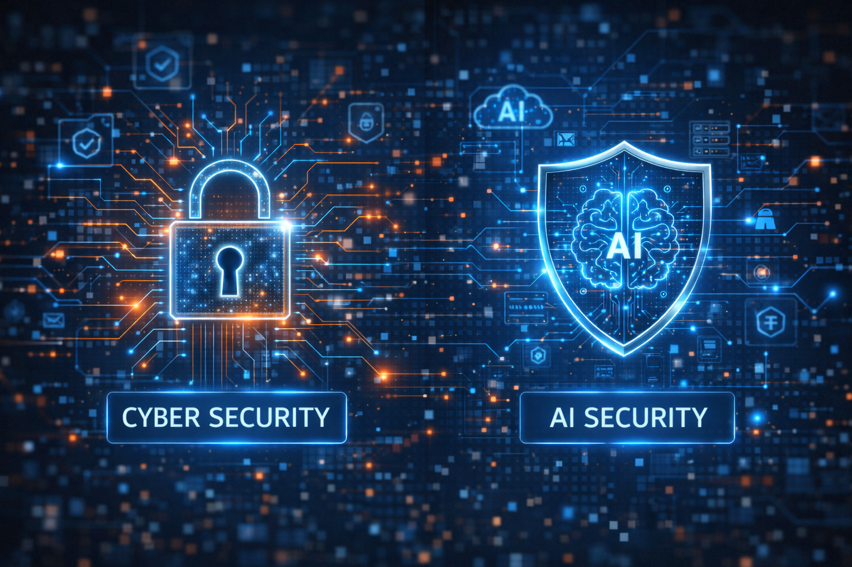
As AI advances, so do the sophisticated threats associated with it.
AI-Powered Threat Detection: Identifying breaches before they happen.
Data Sovereignty : Protecting sensitive intellectual and personal property.
👉 A Survival Necessity : Security is no longer an option; it’s a prerequisite for digital existence.
⑦ Smart Healthcare & Digital Medicine
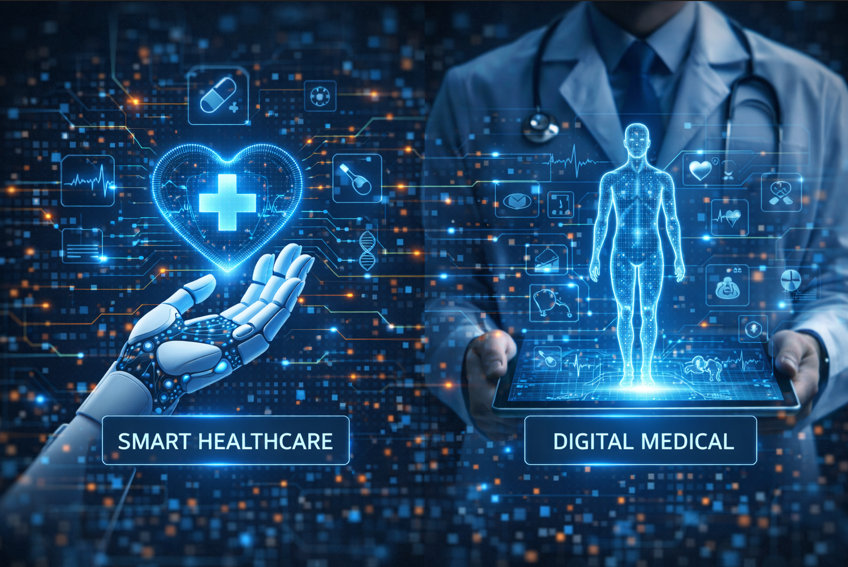
Healthcare is seeing the fastest technological penetration of any major industry.
AI Diagnostics & Telemedicine: Personalized treatment based on real-time data.
Cost Reduction : Improving accessibility while lowering the burden on public systems.
👉Data-Centric Medicine : Moving from “hospital-centered” to “patient-data-centered” care.
⑧ Quantum Computing
The next frontier of computation, capable of solving problems that would take classical computers centuries.
Use Cases : Drug discovery, financial modeling, and advanced cryptography.
Early-Stage Powe r: Though still developing, its potential for disruption is unmatched.
👉 Global Arms Race : Nations are heavily investing to secure the quantum advantage.
⑨ Next-Generation Battery Technology
The transition to green energy and EVs depends entirely on battery innovation.
Solid-State Batteries : Breakthroughs in charging speed, safety, and energy density.
Alternative Materials : Reducing dependence on scarce minerals like lithium.
👉 Energy Sovereignty : The core of the renewable energy transition.
⑩ Digital Twin
Creating virtual replicas of physical objects, spaces, or systems to simulate real-world outcomes.
Applications : Smart cities, manufacturing, and large-scale construction.
Cost Efficiency : Drastically reduces risks by predicting failures in a virtual environment.
👉 Industrial Standard : Essential for modern infrastructure and urban planning.
💡 Why These Technologies Matter
The common thread among these TOP 10 technologies is clear: “They don’t just pass; they permeate.”
These are not short-term trends.
They are:
✔ Changing industrial structures
✔ Redefining the way we work
✔ Determining the future competitiveness of individuals and nations.
To thrive in 2026 and beyond, understanding and leveraging at least one of these sectors is no longer optional—it is mandatory.
📝 Final Thought
The future doesn’t belong to those who wait, but to those who prepare.